Exploring Maine in Fall: Moose Rut, Fiery Foliage, and Hidden Nature Wonders

Updated: Oct 6
Fall in Maine is a season like no other. The air turns crisp, the forests ignite with color, and the rhythms of wildlife shift in fascinating ways. For those who venture into this rugged landscape during autumn, the experience offers a blend of natural spectacle and quiet mystery. From the intense moose rut to the fiery foliage that blankets the mountains, Maine’s fall invites exploration and reflection.

The Moose Rut: Nature’s Autumn Drama
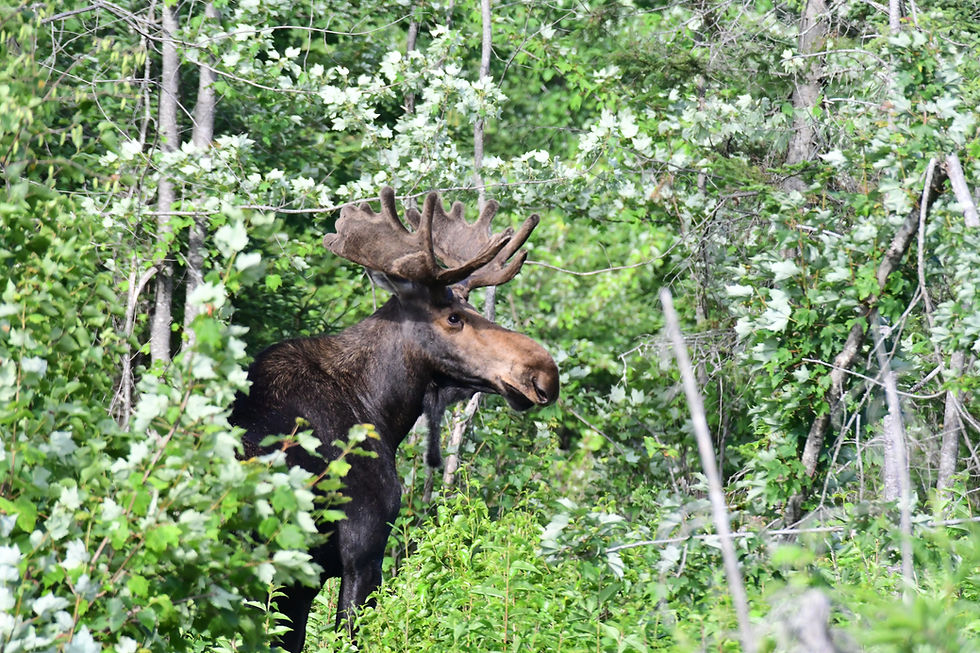
There’s something special about the Maine woods when the rut begins. The mornings turn cooler, the leaves start showing off, and those big bulls that have spent much of the summer tucked away in the brush start to move. This is when we watch for freshly rubbed trees, listen for the crack of a branch where there shouldn’t be one, and look down those old dirt roads for a flash of antler in the brush. A mature Maine bull in the fall is an incredible sight—dark chocolate coat, heavy antlers, and sometimes a little mud still hanging from him after working a wallow. You may hear him or even smell him before you ever see him, and there is nothing quite like watching one finally step out of the shadows. We never know what the woods are going to give us, but during the rut, every bend in the road makes us wonder… is there a big bull waiting around the next corner?
The rut usually peaks in late September through October. This period is marked by intense behaviors:
Moose Calls: Bulls emit deep, resonant calls that echo through the forest. These sounds serve to attract females and warn rival males.
Sparring Battles: Males lock antlers in fierce contests to establish dominance. These battles can be loud and dramatic but rarely cause serious injury.
Increased Movement: Moose travel more extensively during this time, making sightings more common but also more unpredictable.
Visitors hoping to witness the rut should head to remote areas with dense forest and wetlands, such as the Moosehead Lake region or Baxter State Park. Early morning and late evening are the best times to observe these majestic animals. Remember to keep a respectful distance and avoid disturbing them during this critical period.
Traveling Through Maine’s Fall Landscape
Maine’s fall travel experience is defined by its diversity. Whether you prefer scenic drives, hiking, or quiet lakeside retreats, the state offers routes and destinations that showcase the season’s best.
Scenic Drives
Routes like the Kancamagus Highway and Route 17 provide panoramic views of rolling hills and mountains painted in reds, yellows, and oranges. These drives are perfect for a leisurely day out, allowing you to soak in the beauty of the changing leaves.
Mountain Trails
Hiking in the White Mountains or the Appalachian Trail sections in Maine reveals layers of color and wildlife activity. Trails vary from easy walks to challenging climbs, accommodating all levels of adventurers. As you hike, take a moment to appreciate the vibrant foliage surrounding you.
Waterways
Canoeing or kayaking on lakes such as Moosehead or Rangeley offers a unique perspective. The still water reflects the sky and foliage, creating mirror-like scenes that feel almost surreal. Paddling through these tranquil waters can be a peaceful escape.
Travelers should plan for changing weather and shorter daylight hours. Fall in Maine can be unpredictable, with warm sunny days followed by chilly nights. Packing layers and waterproof gear ensures comfort during outdoor adventures.

Exploring Maine in Fall: Leaves of Fire
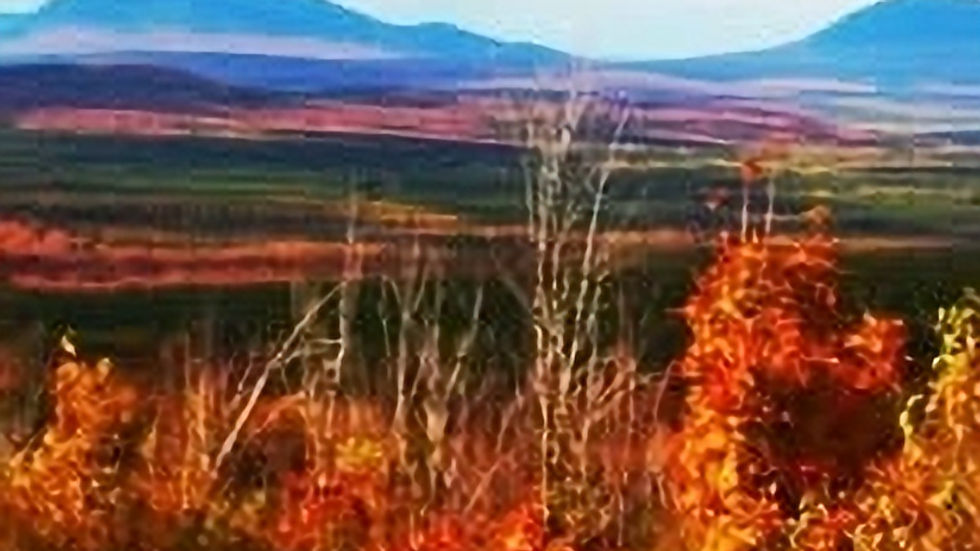
The phrase “leaves of fire” perfectly captures the intensity of Maine’s autumn colors. The state is famous for its vibrant foliage, which peaks between late September and mid-October depending on the region.
Color Palette
Expect deep reds from maples, bright yellows from birches and aspens, and rich oranges from oaks and sumacs. The variety of colors creates a stunning visual feast.
Timing
Coastal areas tend to peak earlier, while northern and higher elevation zones hold their colors longer. Planning your visit around these peak times can enhance your experience.
Photography Tips
Look for contrasts between colorful leaves and evergreens or water reflections. Overcast days can enhance color saturation, while sunny days bring out brightness and shadows. Capture the beauty of this season through your lens.
Local festivals celebrate the foliage season, offering opportunities to enjoy crafts, food, and guided tours. For those seeking solitude, early mornings on less-traveled trails reveal the quiet beauty of fallen leaves carpeting the forest floor.
Mountains and Skies: Reflections in Water
Maine’s mountains provide a dramatic backdrop to the fall season. Peaks like Mount Katahdin and the Bigelow Range rise above the colorful forests, creating stunning vistas. The interplay between mountains, sky, and water is a highlight for many visitors.
Sky Colors
Autumn skies often feature clear blue tones or soft pastel sunsets. These colors reflect beautifully in lakes and ponds, enhancing the beauty of the landscape.
Water Reflections
Calm water surfaces act as natural mirrors, doubling the visual impact of the foliage and sky. Early morning mist can add a mystical quality to these reflections, making them even more enchanting.
Wildlife Viewing
Lakeshores attract birds and mammals preparing for winter. Watch for loons, herons, and deer along the water’s edge. Observing wildlife in their natural habitat adds another layer of excitement to your fall adventures.
Exploring these areas by foot or boat allows for intimate encounters with nature’s seasonal changes. The quiet moments spent watching reflections deepen appreciation for Maine’s wild beauty.
Birds and Changing Animal Behavior
Fall triggers shifts in animal behavior beyond the moose rut. Birds migrate, mammals prepare for winter, and many species become more active during daylight.
Bird Migration
Maine is a key stopover for many migratory birds. Hawks, warblers, and waterfowl pass through, making birdwatching rewarding. Bring your binoculars and enjoy the spectacle.
Foraging and Food Storage
Squirrels, chipmunks, and bears gather food. You might spot bears feeding heavily before hibernation or squirrels stuffing caches. Observing these behaviors can be fascinating.
Nocturnal Activity
Some animals increase nighttime activity to avoid daytime predators or heat. Listening for owls or watching for foxes can reveal hidden wildlife. The sounds of the night can be just as captivating as the sights of the day.
Understanding these behaviors helps visitors respect wildlife and enhances the chances of meaningful encounters.

The Unseen Wonders of Fall
Many aspects of Maine’s fall go unnoticed by casual observers. These hidden wonders enrich the experience for those who look closely.
Fungi and Moss
The damp forest floor supports a variety of mushrooms and mosses, adding texture and color. These small details contribute to the overall beauty of the landscape.
Insect Life
Autumn brings a final burst of insect activity. Dragonflies, beetles, and spiders play roles in the ecosystem’s balance. Observing these creatures can deepen your connection to nature.
Subtle Sounds
The rustle of leaves, the drip of water, and the distant calls of animals create a soundscape that connects visitors to the environment. Taking time to slow down and observe these details reveals the complexity and resilience of nature during seasonal change.
Fall in Maine offers more than just beautiful scenery. It presents a chance to witness powerful natural events like the moose rut, to travel through landscapes ablaze with color, and to discover the quiet rhythms of wildlife preparing for winter. Whether you explore the mountains, paddle on reflective lakes, or listen to the calls of migrating birds, Maine’s autumn invites you to connect deeply with the wild world.
Plan your trip with respect for the environment and an open mind to the surprises that await. The season’s fleeting beauty rewards those who seek it with unforgettable moments and a renewed sense of wonder.
If you find yourself wishing you had someone to lead you a little farther into the wild side of Maine, come wander with us. Fall paints the Moosehead region in colors you just can’t capture in a photograph, and somewhere beyond those bright maples and quiet back roads, a mature bull may be stepping out of the brush. We can never promise where the moose will be—that’s part of what keeps the Maine woods wild—but local knowledge can certainly increase your odds. Book a private moose tour with us, and let’s see what the Maine woods decide to show us.
Comments